
Exploring the psychology of gambling in casinos
The Allure of Gambling: Understanding Motivations
The motivations behind gambling in casinos are multifaceted, often blending psychological, social, and economic factors. Many individuals are drawn to the thrill of risk-taking and the potential for large payouts, especially when exploring options like australian online pokies payid that offer unique experiences. The excitement associated with winning can trigger a surge of dopamine, a neurotransmitter linked to pleasure and reward, making the experience addictive for some players. This biochemical response can create a cycle where the thrill of winning entices individuals to return, often leading to repeated visits to casinos.
In addition to the allure of monetary gain, social interactions within casinos also play a significant role. Gambling offers a communal experience where players can engage with others, share stories, and build connections. This social aspect adds another layer to the gambling experience, making it more than just a solitary pursuit. As people congregate around games or machines, the atmosphere created enhances the overall enjoyment, reinforcing the desire to return to such environments.
Cultural factors also influence gambling behavior. In some cultures, gambling is seen as a rite of passage or a form of entertainment and celebration, thus normalizing the activity. Casinos often capitalize on these cultural perceptions by creating environments that resonate with these values, enhancing the overall appeal. For example, themed attractions or promotions during cultural festivals can draw in crowds who view gambling as a part of socializing and community bonding.
The Role of Environment in Gambling Behavior
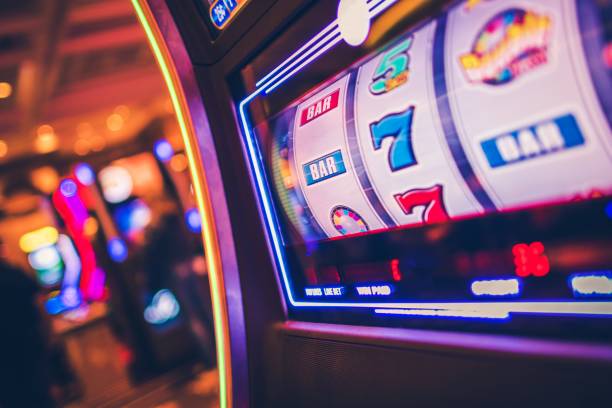
The physical setting of a casino plays a crucial role in shaping gambling behavior. The design of these establishments is intentionally crafted to be inviting and stimulating. Bright lights, vibrant colors, and engaging sounds work in harmony to create an exhilarating atmosphere that encourages players to stay and play longer. This sensory overload not only heightens excitement but can also lead participants to lose track of time and money, contributing to potential gambling problems.
Casinos often employ strategic layouts to maximize player engagement. By positioning slot machines and gaming tables in close proximity to one another, operators foster a sense of constant action. This design encourages patrons to move fluidly from one game to the next, increasing their chances of spending more. Additionally, the absence of clocks and windows prevents players from realizing how much time has passed, further immersing them in this enticing environment.

The psychological impact of these carefully curated spaces cannot be underestimated. The ambiance created by casinos can affect decision-making, leading players to take more risks than they might otherwise consider. This phenomenon is known as the “gambler’s fallacy,” where individuals believe that past outcomes influence future results, despite the randomness of many games. The environment thus manipulates psychological perceptions, sometimes detrimentally affecting the way players approach their gambling experience.
The Psychology of Risk and Reward
The psychology of risk and reward is at the very heart of gambling behavior. Individuals often engage in gambling because they are motivated by the possibility of a substantial reward despite the inherent risks involved. This desire is deeply rooted in behavioral psychology, where the potential for gain can outweigh the fear of loss. Cognitive biases, such as overestimating the probability of winning, can lead individuals to gamble despite negative outcomes in the past.
The concept of variable reinforcement plays a significant role in why individuals continue to gamble. Unlike fixed rewards, variable rewards—such as jackpots that occur unpredictably—create a sense of excitement and anticipation. Players are conditioned to return, fueled by the hope of experiencing that euphoric moment of winning. This unpredictability keeps the gambling experience fresh and enticing, making it difficult for some individuals to resist the pull of the next bet.
Moreover, the psychological concept of “loss aversion” can trap gamblers in a cycle of play. Studies suggest that the pain of losing is often felt more intensely than the pleasure of winning. Therefore, many gamblers may continue playing in an attempt to recover losses, prompting them to bet even more than they originally planned. This behavior can lead to a downward spiral where the initial intent of casual play morphs into more serious gambling, highlighting the complex interplay of psychology within casino environments.
Addictive Behaviors and Gambling Disorders
The line between casual gambling and addictive behavior can sometimes be blurred, leading to gambling disorders for many individuals. The characteristics of gambling addiction mirror those of other behavioral addictions, wherein the individual feels compelled to gamble despite negative consequences. Factors contributing to this addiction may include genetic predisposition, environmental influences, and personal psychological issues such as anxiety or depression.
Individuals struggling with gambling disorders often experience significant impacts on their social and financial lives. The pursuit of gambling can lead to strained relationships with family and friends, particularly if the gambler is secretive about losses or financial troubles. As their situation deteriorates, these individuals may find themselves increasingly isolated, deepening the cycle of addiction. They may also resort to borrowing money or engaging in dishonest behavior in a desperate attempt to fund their gambling habits.
Fortunately, awareness of gambling disorders has grown, leading to comprehensive treatment options for those affected. Therapeutic approaches may include cognitive-behavioral therapy, which helps individuals reframe their thoughts and manage urges to gamble. Support groups and community resources are also vital in providing social support, helping individuals rebuild their lives while fostering connection with others who share similar experiences. Addressing gambling addiction requires a holistic approach, recognizing the complex psychological factors at play.
Understanding the Online Gambling Landscape
The rise of online gambling has transformed the casino experience, creating new avenues for psychological exploration. Online platforms can provide the same thrill and excitement as physical casinos, often with added conveniences. Players are drawn in by the ability to access their favorite games anytime and anywhere. This accessibility can alter gambling behavior, leading some individuals to gamble more frequently in a less regulated environment.
Psychologically, the anonymity of online gambling can have mixed effects. For some, the lack of social interaction may reduce the pressure to conform to peer behaviors, allowing for more casual play. However, for others, this anonymity can exacerbate risk-taking behaviors, as they feel detached from the reality of their actions. The absence of physical cues, such as watching others win or lose, can lead to a distorted perception of odds and money, further entrenching players in a damaging cycle.
Moreover, online gambling platforms often employ various psychological strategies to retain players. These include gamification elements, such as rewards and progress tracking, which mimic the engaging features of video games. Players may find themselves immersed in a rewarding cycle of engagement, where the quest for achievements can lead to prolonged gaming sessions. Understanding these psychological dynamics is critical not only for players but also for regulators aiming to establish protective measures in the online gambling arena.